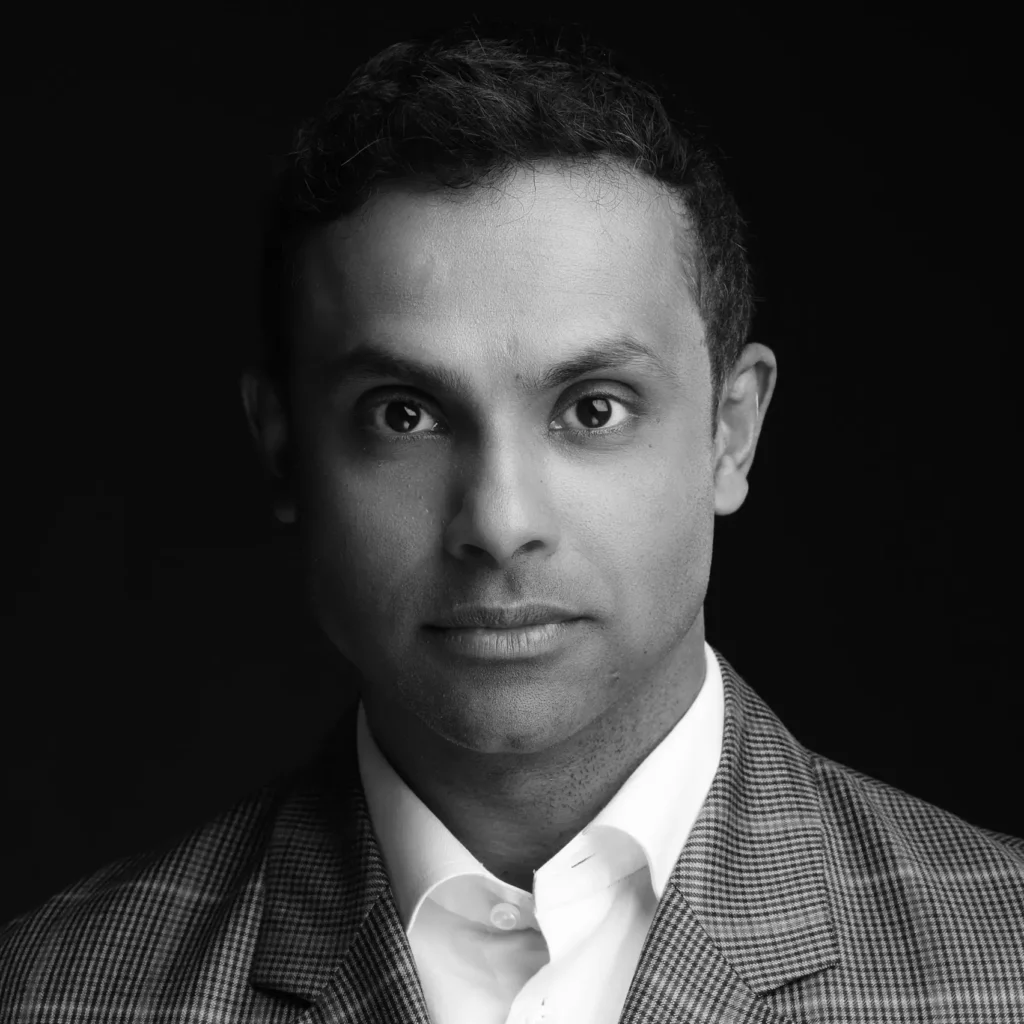
Patient guide to facial surgery with Mr Kshem Yapa FRCS(Plast)
Patient update | 16 November 2026
Author: Annabelle Baugh
Explore the facial surgery procedures Mr Kshem Yapa offers in London, from facelift and neck lift surgery to eyelid surgery and nose reshaping. At your consultation, he’ll discuss which options may suit you, what they can achieve, and what to expect from recovery and scarring.
FACIAL SURGERY OPTIONS
Facelift & Neck Lift
Facelift and neck lift techniques address changes in different areas of the face and neck. Mr Yapa’s practice lists these options:
- Mini facelift: Uses shorter incisions and may suit people with less pronounced changes around the lower face and jawline.
- Lower facelift and neck lift: Addresses jowls, loss of jawline definition and loose tissue in the neck.
- Deep plane facelift: Repositions the deeper tissues of the face to address sagging in areas such as the cheeks and jawline.
- Endoscopic facelift: Uses a small camera and incisions to access and reposition tissue. Ask Mr Yapa which areas of your face this approach could address.
- Neck lift options: Short-scar and deep plane techniques. Depending on what contributes to the appearance of your neck, surgery may address loose skin, muscle bands or fat beneath the chin. Ask whether a neck lift on its own or combined with a facelift would suit your goals.
Blepharoplasty (Eyelid Surgery)
- Upper blepharoplasty: Removes excess skin from the upper eyelids. In some cases, the surgeon may also adjust underlying fat.
- Lower blepharoplasty: Can address under-eye bags or loose lower eyelid skin. The position of the incision depends on the technique.
Ask whether treating the upper lids, lower lids or both would address your concerns, and whether brow position contributes to upper eyelid heaviness.
 Ear Correction (Otoplasty)
Otoplasty, sometimes called ear pinning, can change the position or shape of prominent ears. Surgery may involve reshaping cartilage or moving the ears closer to the head. Ask where the incisions would be and what change in symmetry you can realistically expect.
Other Facial Procedures
- Brow lift. Raises low or drooping eyebrows, which can contribute to heaviness above the eyes.
- Lip lift. Shortens the distance between the base of the nose and the upper lip, so more of the upper lip may show. The incision is usually placed beneath the nose.
- Facial fat grafting. Transfers fat from another area of your body to restore volume in areas such as the cheeks or temples. Some of the transferred fat may be absorbed as you heal.
- Chin augmentation. Brings a recessed chin forward to change the profile. Options include a chin implant or repositioning the chin bone.
- Chin reduction. Reshapes the chin bone to reduce the size or forward projection of a prominent chin.
- Buccal fat reduction. Removes some of the fat inside the lower cheeks to reduce fullness. Ask how the change might look as your face loses volume with age. At your consultation, ask whether the procedure you’re considering could be performed on its own or combined with another procedure, and how that would affect recovery.
More information about the procedures listed by Yapa Plastic Surgery
Questions to Ask at Your Facial or Neck Surgery Consultation
- Which procedure or technique would you recommend for me, and why? Are there non-surgical options worth considering?
- What results can I realistically expect? Which of my concerns might remain after surgery?
- Where will the incisions and scars be? How visible are they likely to be once healed?
- What are the risks for my procedure? Could it affect sensation, movement, eyelid function, breathing or symmetry?
- What type of anaesthesia would I need? Could twilight sedation be suitable for me, or would you recommend general anaesthesia?
- What will recovery involve? When can I return to work, exercise and my usual skincare routine?
- How long might the results last? How could ageing or weight loss/gain affect the result?
- Who should I contact if I’m worried after surgery? What does aftercare cover, including out-of-hours support and any costs for treating complications or carrying out revision surgery?
Choosing the Most Appropriate Procedure
Your anatomy, skin quality, medical history, previous surgery and treatment goals all help determine which options may suit you. At your consultation, ask Mr Yapa to explain the likely benefits, risks and limitations of the techniques he recommends, where scars would sit and how much time to allow for recovery.
Considering facial surgery?
Make an enquiry about a consultation with Mr Kshem Yapa.
Explore Mr Yapa’s full OYL profile for his qualifications, experience, consultation fees and operating locations.
Mr Kshem Yapa Profile
Sources and Medical References
The information in this article is based on trusted medical research and reputable health sources. It’s meant to help you better understand your options but shouldn’t replace advice from your doctor or healthcare team. You can find the sources we used listed below, with links if you’d like to read more.
- Yapa Plastic Surgery’s procedure guide lists the options offered by the practice.
- NHS guide to facelift surgery covers the procedure, recovery and potential complications.
- NHS guide to eyelid surgery explains upper and lower eyelid surgery.
- BAAPS and BAPRAS patient guide to facelift and neck lift surgery covers incision placement, recovery and risks.
- Khoury S, Almubarak Z, Khan H, Boldt G, Villemure-Poliquin N, Nichols AC. The Deep Plane versus SMAS Facelift: A Systematic Review and Meta-Analysis Aesthetic Plast Surg. 2025 Nov;49(21):5895-5903. doi: 10.1007/s00266-025-05118-x. Epub 2025 Aug 13. PMID: 40801931.